When the air drifting from your vents turns thin and weak, something upstream is throttling it. The good news is that weak airflow almost always has a traceable cause, and most of them are straightforward to fix once you know where to look, starting with the parts of the system you can see without tools.
Too Small, Too Old, or Both
The undersized unit. A unit too small for the home's cooling load runs without pause, cools unevenly, and leaves the air damp because short cycles remove very little moisture. The aging unit. Capacity fades as equipment gets older; worn compressors move refrigerant less effectively and coils lose their ability to shed heat. The pattern homeowners describe is always similar: it used to keep up, and somewhere around the second decade it stopped.
The Dirt Problems: Filter, Coils, and Condenser
A clogged filter. Restricted airflow forces longer run times to reach the same thermostat setting. Dirty coils. Dust on the indoor and outdoor coils slows heat exchange, so the system moves less heat per cycle and compensates with extra runtime.
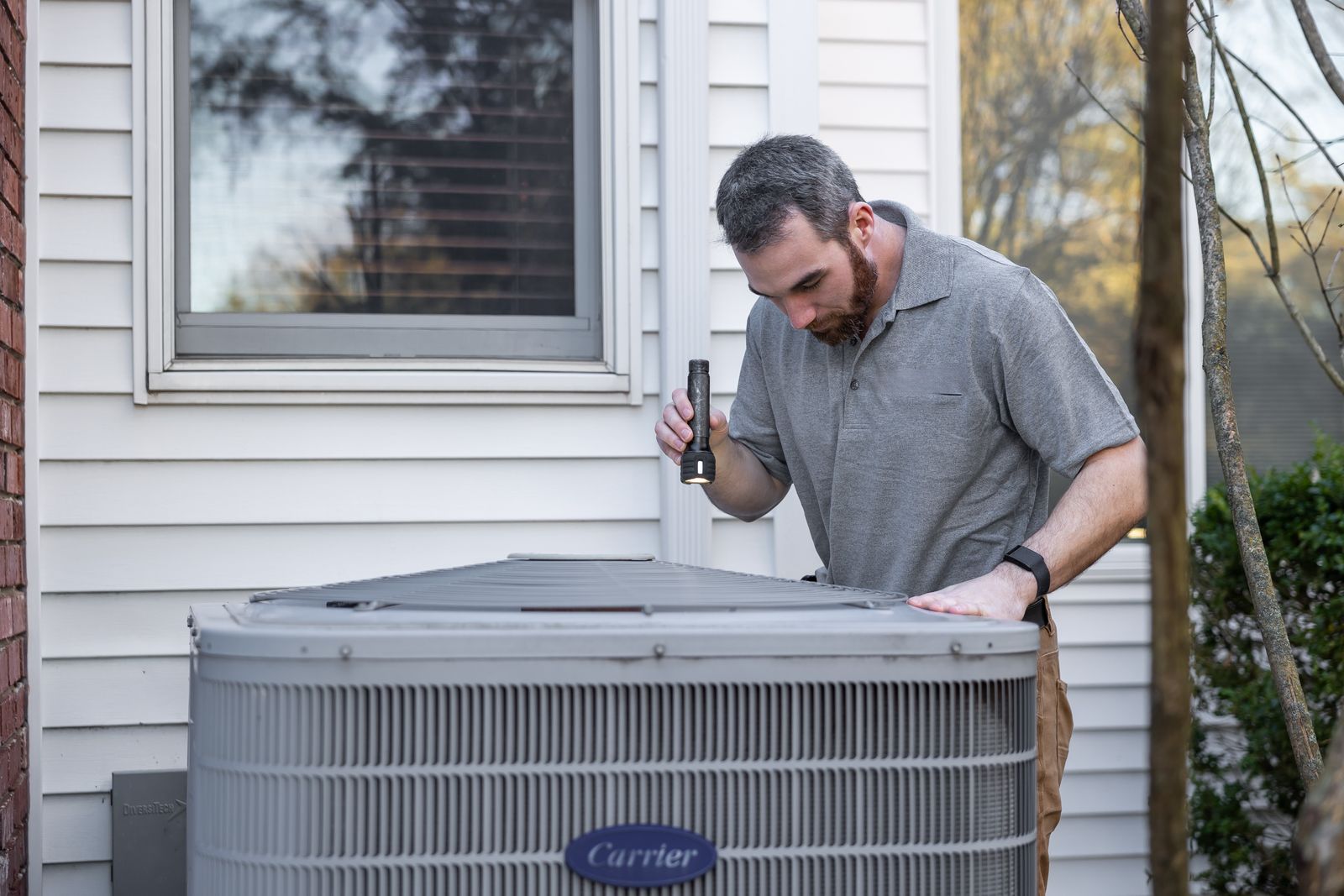
A blocked condenser. Debris crowded around the outdoor unit traps the very heat it is trying to dump, and the whole system slows to a crawl on the hottest days of the year.
Where the Extra Hydro Actually Goes
An air conditioner has always had two jobs: cool the air and dehumidify it. Humid Ontario weather makes both jobs harder at once, so the system runs longer to deliver the same comfort, and longer runtime shows up on your hydro bill. That extra runtime is one thing when it is simply muggy outside.
It is another thing entirely when a maintenance problem is quietly adding hours to the meter every day. A bill that spikes without a heat wave to explain it is a symptom worth decoding, because the causes are common and most are inexpensive to fix.
The Causes a Homeowner Should Not Chase Alone
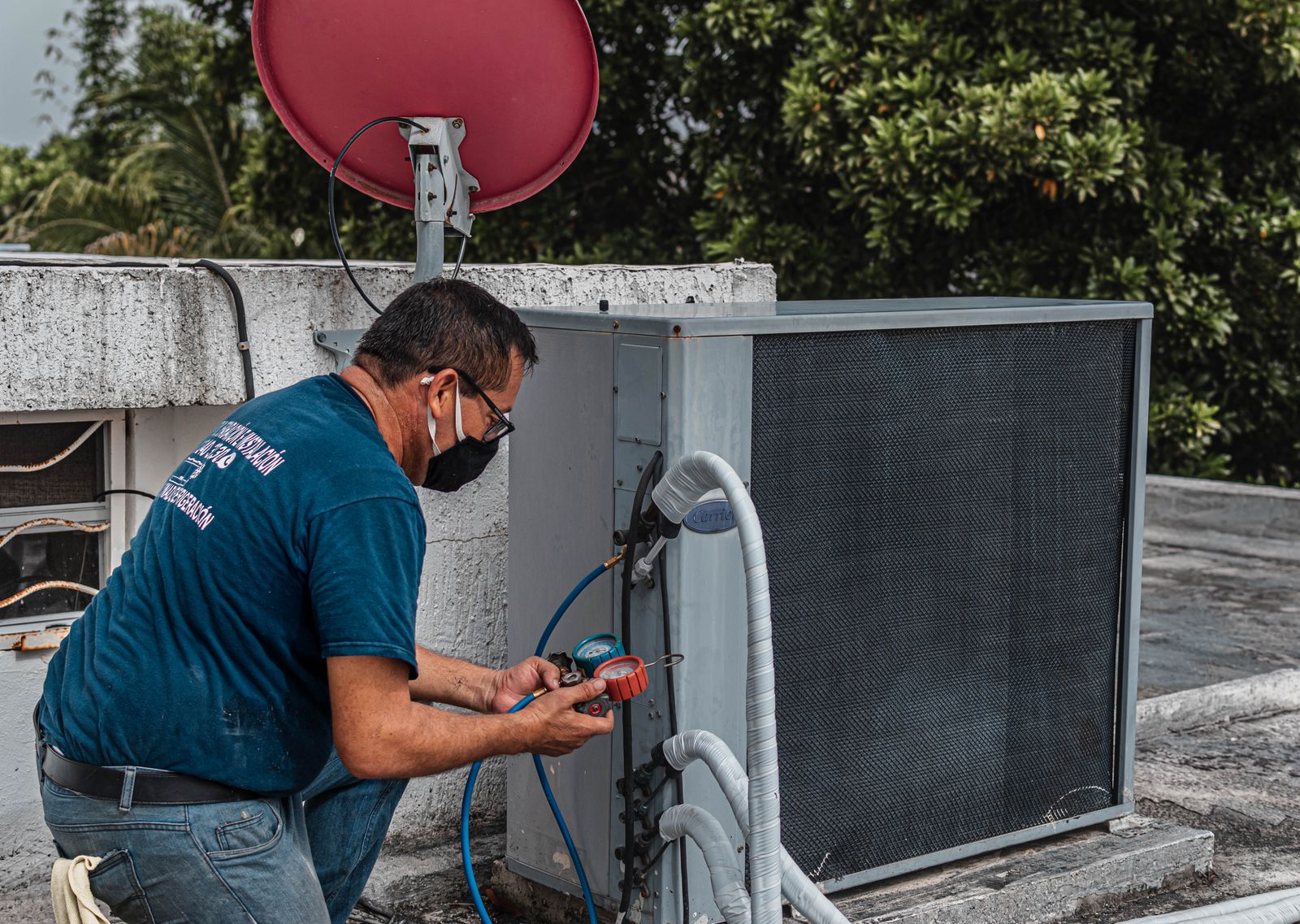
Low refrigerant. A leak leaves the system without enough fluid to carry heat out of the house, and handling refrigerant is licensed work, not a weekend project. Poor insulation and air leaks. Gaps around windows, doors, and the attic add cooling load all day long, and in many Norfolk homes sealing them is the missing half of a cooling problem that refuses to go away.
A standard AC service handles the first directly and evaluates the second: charge testing, coil cleaning, airflow measurement, and an honest capacity check against the home.