Request furnace repair for a property in Norfolk. Include the equipment, the problem or planned work, and your location so the request can be reviewed.
Does the furnace fail to start, make an unusual sound, or heat rooms unevenly?
Furnace symptoms can have different causes across gas, propane, and oil equipment, so diagnosis should identify the fuel, furnace type, and fault before repair options are considered. A no-start condition may involve ignition or burner operation, while uneven heat or unusual noise can point to airflow or another component. Service requests can note what the furnace does, when the symptom occurs, and any recent changes. Repair, maintenance, and replacement are separate decisions based on inspection findings and equipment condition.
Diagnosis should distinguish an ignition fault from an airflow, burner, thermostat, or other control problem. Fuel type and model affect which components and procedures apply. The assessment can compare observed operation with the unit’s specifications and record repair history, age, and part condition, which help determine whether a repair is appropriate or replacement merits consideration.
Gas, propane, and oil furnace repair
Igniters, flame sensing, burners, and fuel-specific diagnosis
Airflow, thermostat, maintenance, and repair-versus-replacement assessment
Assessment and Scope
Questions for the Proposed Work
01
Separate ignition faults from other no-heat causes
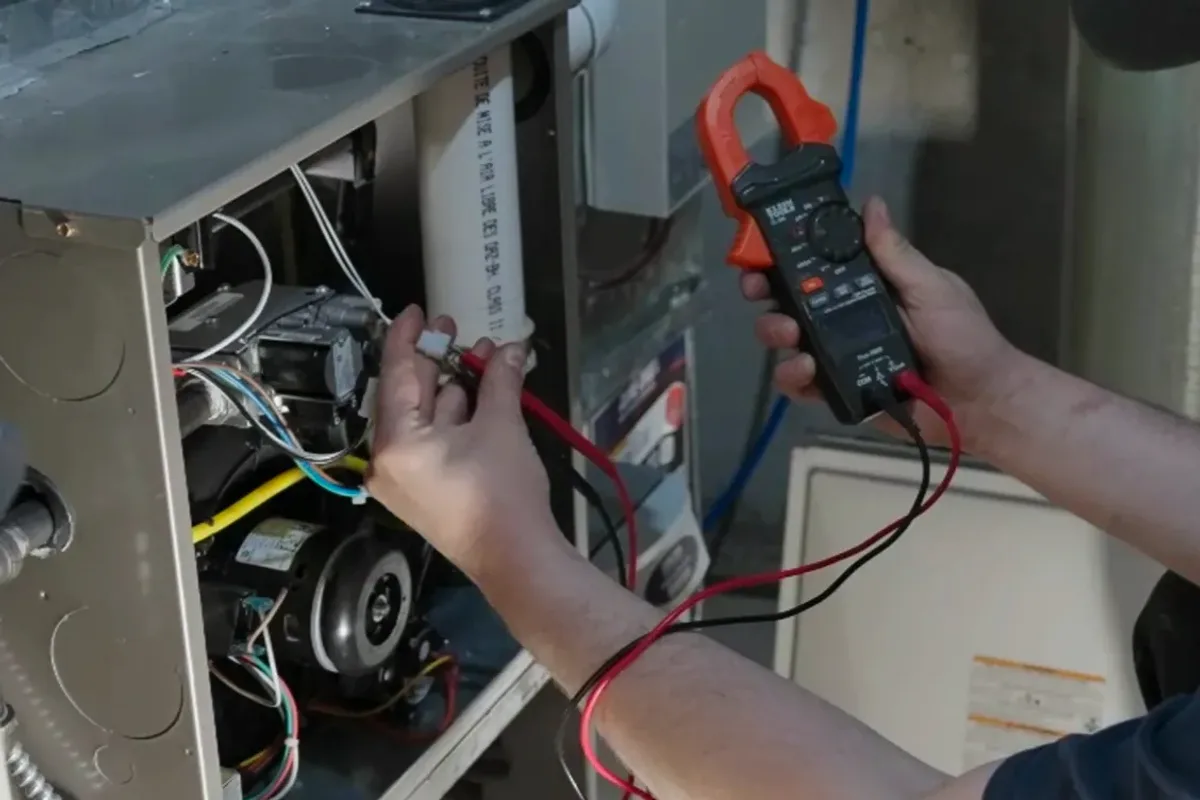
A furnace that will not fire may have an issue involving its igniter, flame sensing, fuel supply, or gas valve, depending on its design and fuel. A service assessment should identify the sequence the furnace follows and the point where operation stops. That distinction matters because replacing an ignition component will not resolve an unrelated control or fuel-delivery fault. Occupants should leave combustion and internal electrical checks to qualified service personnel.
02
Trace uneven heat and unusual noise
Uneven room temperatures and new sounds do not identify one failed part by themselves. Inspection can compare airflow, filter condition, blower operation, burner function, and thermostat signals with the furnace’s design. For an oil-fired unit, the fuel and burner arrangement also shape the diagnostic steps. Sharing when the noise occurs or which areas receive less heat helps focus the assessment without assuming that ductwork or the furnace is necessarily at fault.
03
Choose repair, maintenance, or replacement separately
A repair addresses a diagnosed fault, while maintenance follows the equipment maker’s instructions and inspection findings; neither decision automatically requires the other. Replacement becomes a separate comparison when age, repair history, component condition, or system compatibility changes the outlook for continued service. Ask for the identified fault, the proposed work, and any alternatives to be explained. Those details make it easier to weigh a specific repair against replacing the existing furnace.
Compare the next step
Agree on who can respond locally if remote temperature monitoring shows a problem. Ask which alerts the installed controls provide and which conditions require on-site assessment. Keep the appliance information and access instructions available to that person; internet connectivity alone does not establish that heating remains dependable.
Leave burner, fuel, venting, electrical, and internal equipment work to a qualified contractor. Do not bypass a safety switch or repeatedly reset a furnace.