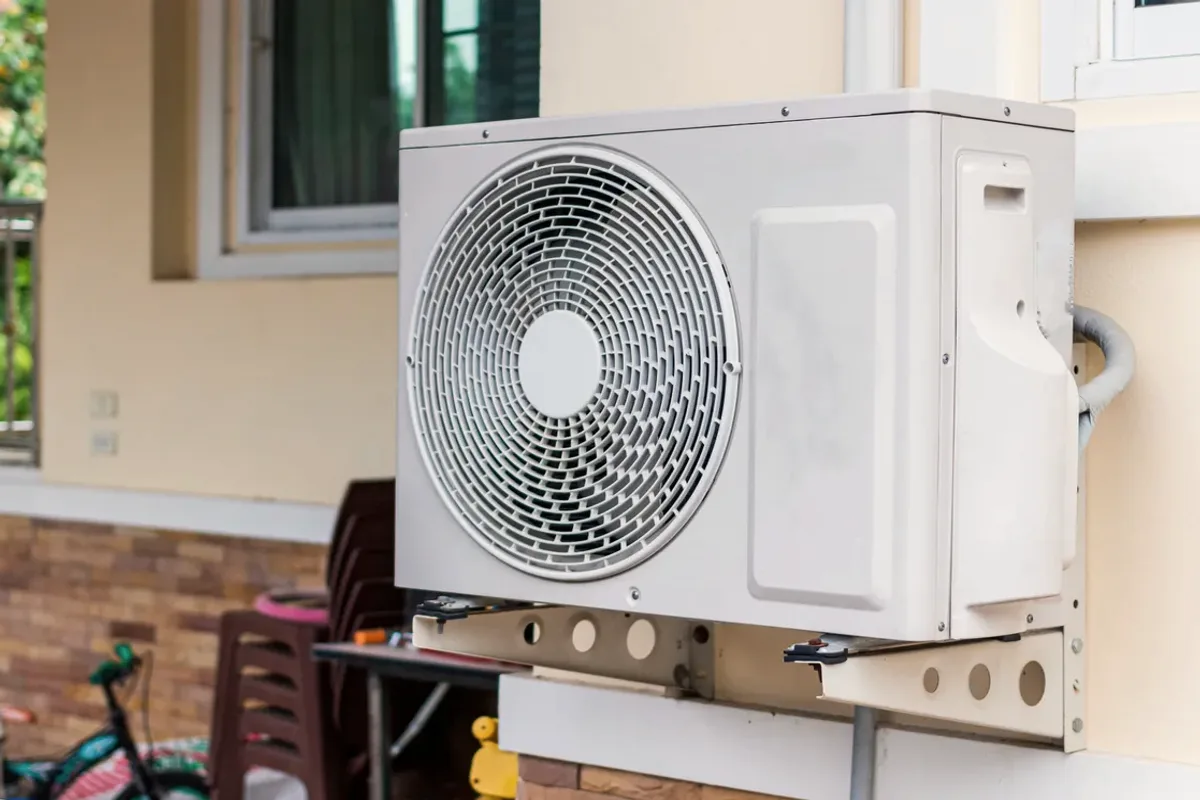
Request heat pump repair & installation for a property in Norfolk. Include the equipment, the problem or planned work, and your location so the request can be reviewed.
Does the heat pump fail in heating, cooling, or both operating modes?
A heat pump that does not heat, cool evenly, or operate normally needs diagnosis before replacement is considered. Symptoms may involve electrical components, reversing operation, defrost controls, sensors, or refrigerant conditions, and those faults require different tests. If replacement is being considered, the equipment selection should reflect the property’s calculated loads and the system’s heating and cooling needs. Service request details about operating mode, symptoms, and repair history help define whether the request concerns repair or installation.
Assessment should establish equipment type, operating mode, symptom timing, control signals, and relevant component readings. A capacitor fault differs from a reversing-valve, defrost-board, sensor, or refrigerant issue, so those possibilities require evidence rather than assumption. For installation, load calculations and compatibility with existing controls and distribution determine scope. Findings, repair history, and equipment condition help compare a specific repair with replacement.
Heat pump repair by operating mode and component fault
Capacitors, reversing valves, defrost boards, sensors, and refrigerant diagnosis
Load-based replacement sizing and control compatibility
Assessment and Scope
Questions for the Proposed Work
01
Diagnose faults by operating mode
A heat pump may behave differently in heating and cooling, so noting which mode produces the symptom helps direct testing. A capacitor, sensor, defrost board, reversing valve, or refrigerant fault can produce overlapping signs but calls for a different repair. Inspection should identify the failed component and explain the evidence behind that conclusion. Refrigerant and internal electrical work involve specialized procedures and should not be attempted by occupants.
02
Compare repair with replacement on evidence
Repair is appropriate to consider when inspection identifies a fault that can be addressed and the remaining equipment condition supports continued use. Replacement is a separate decision when the condition, repair history, or compatibility of the system changes that comparison. A repair estimate should identify the part and work proposed, while a replacement proposal should describe the equipment and required changes. Comparing both scopes, where relevant, is more useful than deciding from age alone.
03
Define the replacement system and controls
A replacement heat pump should be selected from calculated heating and cooling loads, not copied automatically from the old unit’s rating. The scope should state whether the proposed model is intended for cold-weather heating and how its controls will coordinate with existing equipment, if any. Installation details may include indoor and outdoor unit locations, refrigerant lines, electrical requirements, drainage, and startup verification. These specifics clarify what is being replaced and what remains in place.
Compare the next step
Ask how backup heat behaves when the owner is away and what monitoring can confirm. Record the approved operating settings, who receives alerts, and who can provide access. The absence plan should account for equipment service and the property consequences of lost heat, rather than simply installing remote controls.
Cold-climate capability does not prove that one model covers every home heating load. Ask how the selected equipment and supplementary heat meet the actual design requirements.