A furnace or air conditioner is one of the most expensive machines in a Norfolk home, and its warranty comes with strings attached. Most manufacturers expect proof of regular professional service before they will honour a major claim. Here is what that fine print actually asks for, and the schedule that satisfies it without any drama.
Why Your HVAC System Needs Regular Attention
A furnace and air conditioner run for thousands of hours a year, and none of that work happens in clean conditions. Dust builds up on coils and burners, filters clog, electrical connections loosen, and moving parts wear down a little at a time. The decline is slow enough that most homeowners never see it coming.
That is the case for regular service. A technician who inspects the equipment twice a year catches the small things, a worn part, a dirty sensor, a loose wire, while they are still cheap to fix, and keeps the whole system running at the efficiency it was built for.
Spring for Cooling, Fall for Heating
Match the service to the season the equipment is about to face. Book the air conditioner between April and early June, so refrigerant, coils, and electrical parts are checked before the first long stretch of heat. Book the furnace between September and early November, before overnight lows settle near freezing and heating season starts in earnest.
Twice a year is the floor. Older equipment, heavy-use households, and homes with pets or allergies often benefit from sticking firmly to that rhythm rather than letting one of the two visits slide.
Why Maintained Systems Outlast the Rest
Equipment age is less about the year on the label and more about how the years were spent. A furnace or air conditioner that is cleaned, tested, and adjusted twice a year faces less friction, runs cooler, and cycles less violently, so its components age slowly. The same model, neglected, runs hot and hard, and its parts wear on an accelerated schedule.
The result shows up in service life and in repair frequency, where maintained systems rack up far fewer urgent calls. Book the spring and fall visits, keep the invoices, and let the equipment repay you for years.
Cleaning, Testing, and the Safety Checks That Matter
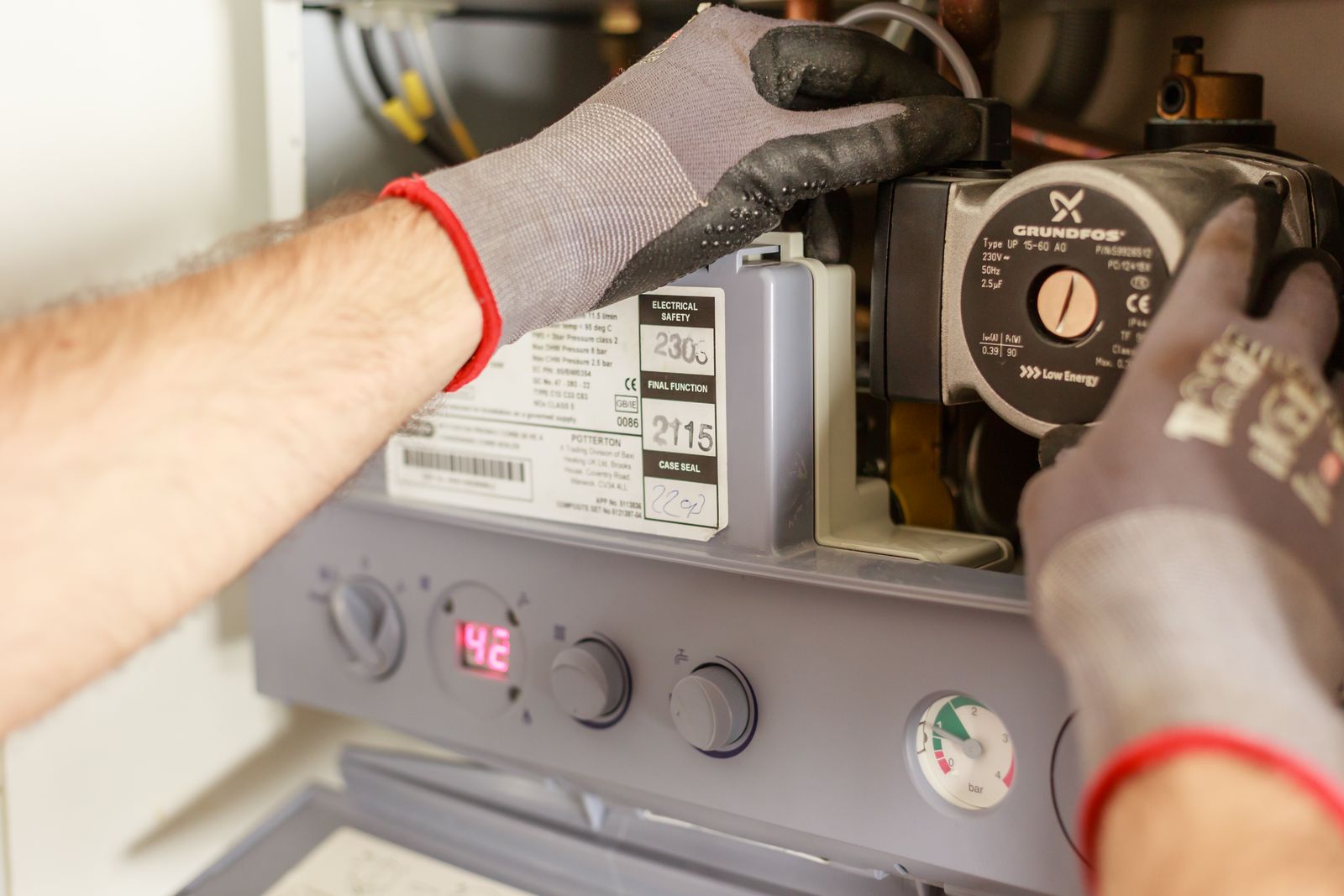
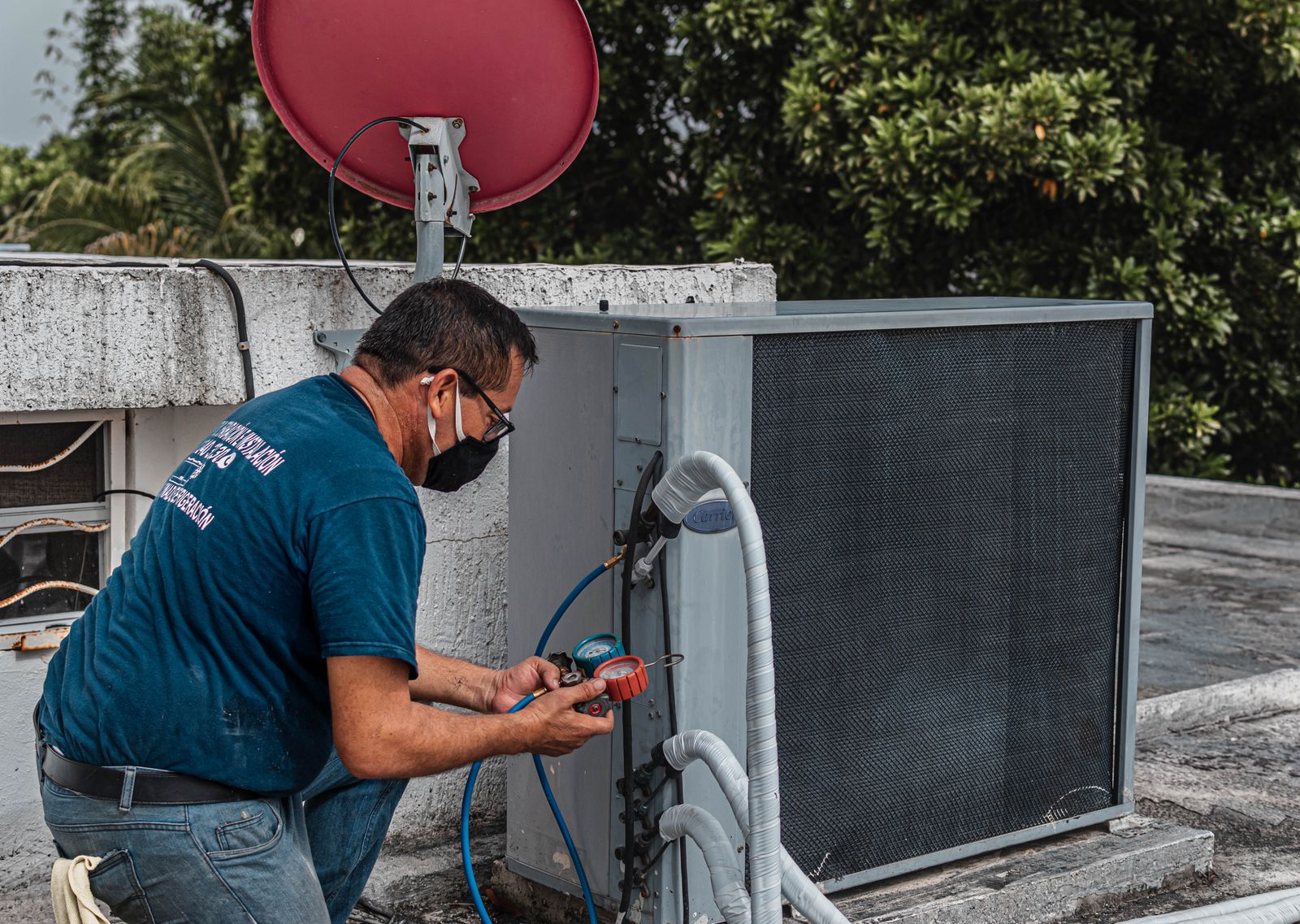
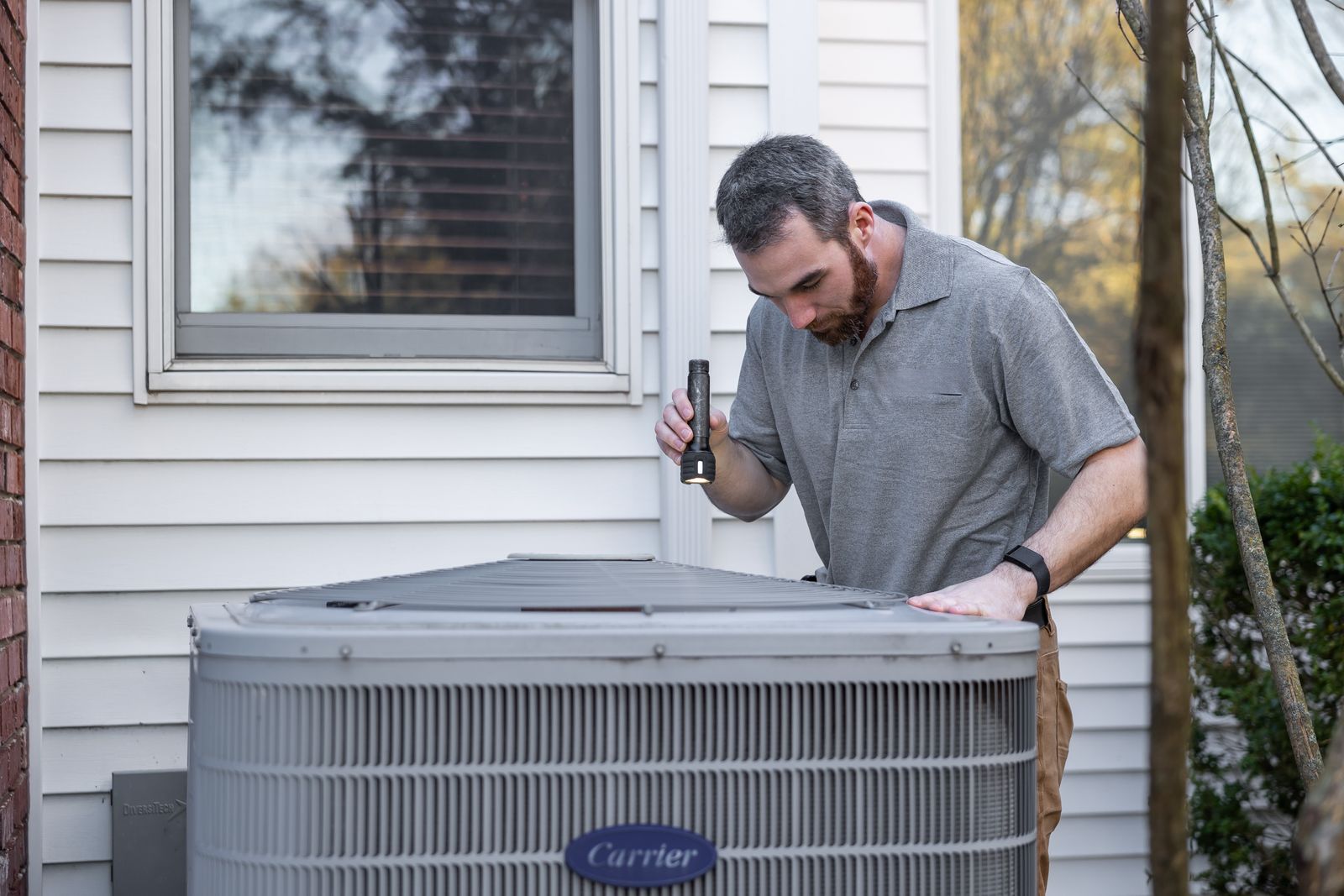
Maintenance breaks into three kinds of work. Cleaning: coils, burners, and the outdoor unit, because dirt is what drives up run times. Testing: refrigerant charge, gas pressure, ignition, electrical connections, thermostat accuracy, and airflow at the vents. Safety: a heat exchanger inspection and a combustion check that catches carbon monoxide risks before they become emergencies.
The filter gets replaced at every visit as a matter of course. You leave with a system that has been cleaned, measured, and adjusted rather than simply glanced at.
The obligation starts the day the equipment is installed, not the day something breaks. Skipping service on a newer system risks the coverage that justified its price, and a multi-year gap in records can turn an approval into a denial on the spot. New system or old, book the visits, keep the paperwork, and treat it as part of ownership.