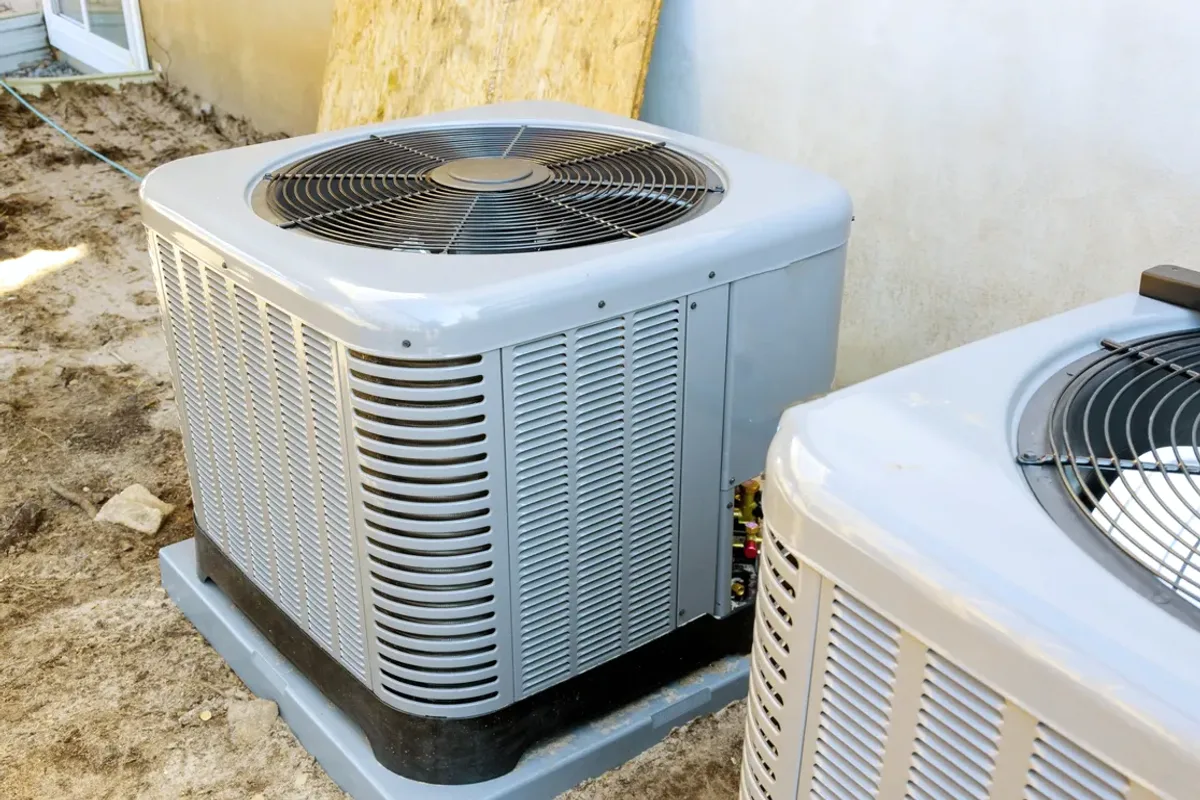
Is the cooling system blowing warm air, providing weak airflow, or failing to start?
Cooling problems can involve different equipment and components, so an assessment should first establish whether the property has central air, a ductless mini-split, or a heat pump in cooling mode. Weak airflow, warm air, a frozen coil, unusual noise, or a unit that will not start are clues, not diagnoses. Service request details about when the symptom began and whether it affects one zone or the whole system help distinguish electrical, airflow, condensate, and refrigerant-related work.
The assessment should record system type, operating symptoms, airflow, coil condition, condensate drainage, and relevant electrical readings. Capacitor, contactor, and fan faults differ from refrigerant leaks or compressor problems, which require different tests and repair decisions. These findings matter before quoting a repair or comparing it with replacement; age alone does not identify the failed component.
Central air, ductless mini-splits, and heat pumps in cooling mode
Capacitors, contactors, fan motors, and airflow or condensate issues
Refrigerant leaks, compressor diagnosis, and repair-versus-replacement decisions
Assessment and Scope
Questions for the Proposed Work
01
Identify electrical and control faults
A cooling system that will not start can have a fault in its controls or electrical components, such as a capacitor, contactor, or fan motor, depending on the equipment. Testing and recording relevant readings helps identify which part, if any, has failed. A component replacement is a repair decision based on evidence, not a reason by itself to replace the whole system. Internal electrical checks should be handled by service personnel, not attempted by occupants.
02
Distinguish airflow and condensate symptoms
Weak airflow or a coil that appears frozen calls for checking the system’s airflow and coil condition before assuming a refrigerant problem. Water near equipment or a musty odour may also make condensate drainage relevant to the assessment. Central systems and ductless units differ in how air is delivered and where components are located, so the system type and affected rooms matter. Cleaning, clearing, or repairing a component should follow the inspection findings.
03
Test refrigerant and compressor concerns
Warm air does not establish that refrigerant is low, and adding refrigerant without identifying a leak may leave the cause unresolved. A technician can use appropriate tests to distinguish a refrigerant leak, compressor fault, or another cause of poor cooling. The findings, repair history, equipment age, and condition help compare repair with replacement. Request that the diagnosis and proposed scope be stated clearly before deciding which path fits the system.
Compare the next step
Ask what the remote controls reveal about a cooling fault and what still requires a visit. Establish who can inspect accessible areas for water or damage and authorize service while the owner is absent. Compare the monitoring feature with a practical access and response arrangement rather than relying on an app notification alone.
Do not open electrical panels or handle refrigerant. If ice, water near electrical equipment, or abnormal operation is present, stop using the affected system and request an assessment.